| Sign In | Join Free | My insurersguide.com |
|
| Sign In | Join Free | My insurersguide.com |
|
| Categories | PSA Oxygen Generator |
|---|---|
| Brand Name: | GNEE |
| Certification: | SGS |
| Place of Origin: | CHINA |
| MOQ: | ≥1sets |
| Payment Terms: | L/C,D/A,D/P,T/T,Western Union,MoneyGram |
| Supply Ability: | 25 every month |
| Packaging Details: | Wooden Box / Outer shell packaging / Cylindrical packaging / Airbag packaging/nude packing/Sea or land transportation |
| Keyword: | PSA Oxygen Generator |
| Showroom Location: | None |
| Net Weight: | 22KG |
| Skid Mounted: | yes |
| Applications: | Hospitals, Industrial Processes, Aquaculture, Glass Manufacturing |
| Consumption: | Energy-saving |
| Working Principle: | Pressure Swing Adsorption |
| Noise Level: | <65 dB |
| Operate Power: | 1 KW |
| Oxygen Concentrator Type: | Industrial/Medical |
| Outlet Pressure: | 4~5.5bar Adjustable |
| Life Span: | 8-10 years |
| Use: | Hospitals |
| Condition: | New |
| Company Info. |
| Henan Gnee New Materials Co., Ltd. |
| Verified Supplier |
| View Contact Details |
| Product List |
Parameter Category | Specific Indicators |
|---|---|
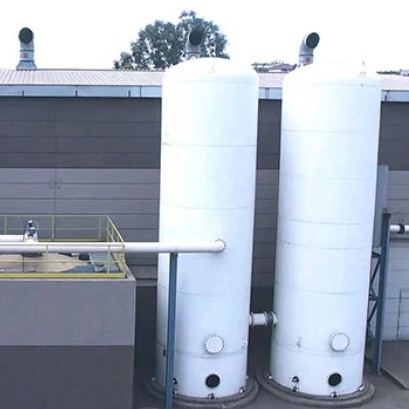
Oxygen Output | 100Nm³/h |
Oxygen Purity | 99.5%±0.3% |
Outlet Pressure | 0.4-0.7MPa (continuously adjustable) |
Feed Air Requirement | Atmospheric pressure, humidity ≤80%, oil-free and dust-free |
Unit Energy Consumption | ≤0.6kWh/Nm³ O₂ |
Adsorbent Type | Medical-grade Lithium Molecular Sieve |
Control Method | PLC Fully Automatic + Remote Monitoring |
Safety Configuration | Online oxygen purity monitoring, overpressure protection, automatic
backup system switching in case of power failure |
Equipment Dimensions | Length × Width × Height = 6.2m × 2.8m × 3.5m |



|
 2025 VPSA PSA Oxygen Generator with 150Bar Filling Pressure 42Nm3/hr Output and 0.04-0.06Mpa Outlet Pressure
PSA Oxygen Generator with 8-10 Years Life Span 220V/50Hz Power Supply and 5-45°C Operating Temperature for Industrial Use
15Nm3/h 93% Purity PSA Oxygen Generator Plant with 220V/380V Power Supply for Food Industry
PSA Oxygen Generator Plant Machine 220V Production Line
High Purity 95~99.9995% PSA Oxygen Generator with 150Bar or 200Bar Filling Pressure and ≤12Nm3/hr Oxygen Output
25Nm³/h 99% High-Purity PSA Oxygen Generator for Laboratory Use - Pressure Swing Adsorption Oxygen Plant
Industrial PSA Oxygen Generator for Fish Farming Heavy Duty Oxygen Generator
50kW Low-Power-Consumption PSA Oxygen Generator for Mine Emergency Rescue with VPSA Oxygen Supply System
20Nm³/h 93% Purity Energy Saving PSA Oxygen Generator for Community Hospitals
50Nm³/h PSA Oxygen Generator for Aquaculture Aeration vsa oxygen plant
2025 VPSA PSA Oxygen Generator with 150Bar Filling Pressure 42Nm3/hr Output and 0.04-0.06Mpa Outlet Pressure
PSA Oxygen Generator with 8-10 Years Life Span 220V/50Hz Power Supply and 5-45°C Operating Temperature for Industrial Use
15Nm3/h 93% Purity PSA Oxygen Generator Plant with 220V/380V Power Supply for Food Industry
PSA Oxygen Generator Plant Machine 220V Production Line
High Purity 95~99.9995% PSA Oxygen Generator with 150Bar or 200Bar Filling Pressure and ≤12Nm3/hr Oxygen Output
25Nm³/h 99% High-Purity PSA Oxygen Generator for Laboratory Use - Pressure Swing Adsorption Oxygen Plant
Industrial PSA Oxygen Generator for Fish Farming Heavy Duty Oxygen Generator
50kW Low-Power-Consumption PSA Oxygen Generator for Mine Emergency Rescue with VPSA Oxygen Supply System
20Nm³/h 93% Purity Energy Saving PSA Oxygen Generator for Community Hospitals
50Nm³/h PSA Oxygen Generator for Aquaculture Aeration vsa oxygen plant

